

Qari For Kids
Typically replies within minutes
 Online | Privacy policy
Second Ashrah Dua – Meaning & Forgiveness in Ramadan
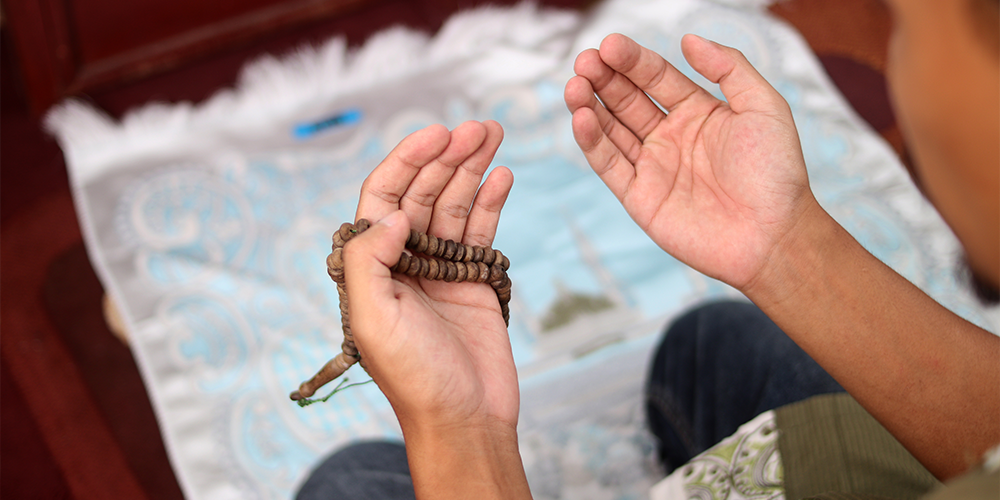
Second Ashrah Of Ramadan – Ashra e Maghfirat
The Second Ashrah Dua is recited during the middle ten days of Ramadan (days 11–20), known as the days of forgiveness (Ashra e Maghfirat). Muslims say “Astaghfirullāha Rabbī min kulli zambin wa atūbu ilayh” and make sincere tawbah, especially before Iftar, when the dua of a fasting person is accepted.
The Middle 10 Days That Can Reset Your Ramadan focuses on turning back to Allah with true repentance, using these ten days to seek forgiveness, renew intentions, and strengthen your connection through sincere dua and reflection.
What Is the Second Ashrah Really About?
Ramadan is often described in three parts: mercy, forgiveness, and protection from the Fire. The second part focuses on maghfirah — Allah’s forgiveness. It is not only about saying words of repentance, but about cleaning up the heart.:
Allah Subḥānahu wa ta'ālā says in the Qur’an:
وَإِنِّي لَغَفَّارٌ لِّمَن تَابَ وَآمَنَ وَعَمِلَ صَالِحًا ثُمَّ اهْتَدَىٰ (20:82)
Indeed, I am Most Forgiving to the one who repents, believes, does righteousness, and remains guided.
Forgiveness is tied to effort. We repent, we believe, we act, and then we stay consistent. That is the real spirit of these days.
The Second Ashrah Dua (Arabic, Meaning & Reflection)
Ramadan is often described in three parts: mercy, forgiveness, and protection from the Fire. The second part focuses on maghfirah — Allah’s forgiveness. It is not only about saying words of repentance, but about cleaning up the heart.:
Allah Subḥānahu wa ta'ālā says in the Qur’an:
Arabic: أَسْتَغْفِرُ اللَّهَ رَبِّي مِنْ كُلِّ ذَنْبٍ وَأَتُوبُ إِلَيْهِ
Transliteration: Astaghfirullāha Rabbī min kulli zambin wa atūbu ilayh.
Translation: “I seek forgiveness from Allah, my Lord, for every sin and I turn back to Him.”
This short dua carries depth. You are admitting your mistakes, recognizing Allah as your Lord, and choosing to turn back instead of drifting away.
Don’t Miss This Moment at Iftar
The Prophet Muhammad ﷺ said: “The supplication of the fasting person at the time of breaking the fast is not rejected.” (Ibn Mājah).
Before reaching for your glass of water, pause. Raise your hands. Say the Second Ashrah Dua slowly. Mention something specific you want forgiven. Those quiet seconds before Iftar can be among the most powerful moments of your day.
A Forgiveness Dua Taught by the Prophet ﷺ
The Prophet ﷺ described Sayyidul Istighfar as the best way to seek forgiveness (Ṣaḥīḥ al-Bukhārī). It begins: اللَّهُمَّ أَنْتَ رَبِّي لا إِلَهَ إِلا أَنْتَ، خَلَقْتَنِي وَأَنَا عَبْدُكَ… It starts with tawḥīd (recognizing Allah’s Oneness), then gratitude, then an honest admission of sin — and finally a humble request for forgiveness. It is a beautiful dua to add to these days of forgiveness.
A Simple Plan for the Middle Ten Days
“Recite Astaghfirullāh daily with attention.”
“Read a portion of the Qur’an each day, even if small.”
“Watch your speech — avoid gossip and harsh words.”
“Give a small amount of charity quietly.”
“Make sincere dua before Iftar every evening.”
Wherever You Live, You Can Earn the Reward
In some countries, feeding the fasting means sponsoring large community meals. In the US or UK, it may look different. You might donate groceries, invite someone who is alone, or support your local masjid. The Prophet ﷺ said whoever feeds a fasting person receives a similar reward (Tirmidhī). The setting may change, but the reward remains.
Second Ashrah – Renew, Repent, Return
By the time the second Ashrah of Ramadan arrives, the initial excitement of the first days has usually faded. The routine feels familiar again. Work emails, school schedules, and household responsibilities are back in full swing. And that is exactly why these ten days are so important.
This blog explains the meaning of the Second Ashrah (Ashra e Maghfirat), shares the Second Ashrah Dua in Arabic with translation and reflection, and highlights the special moment of making dua before Iftar. It also includes Sayyidul Istighfar, a simple and practical plan for the middle ten days, ways to earn reward wherever you live, and answers to common questions about seeking forgiveness during Ramadan. For Duas and how Muslims spend the first ten days (Ashrah -e-Rehmat) in this blog here.