
First Ashrah Dua Ramadan – A Guide to the First 10 Days of Mercy
Added by : QFK Editorial Team
Published On : March 10, 2026
Islamic Date : Sha'ban 28, 1446
Last Updated : March 24, 2026
Added by : QFK Editorial Team
Published On : March 10, 2026
Islamic Date : Sha'ban 28, 1446
Last Updated : March 24, 2026
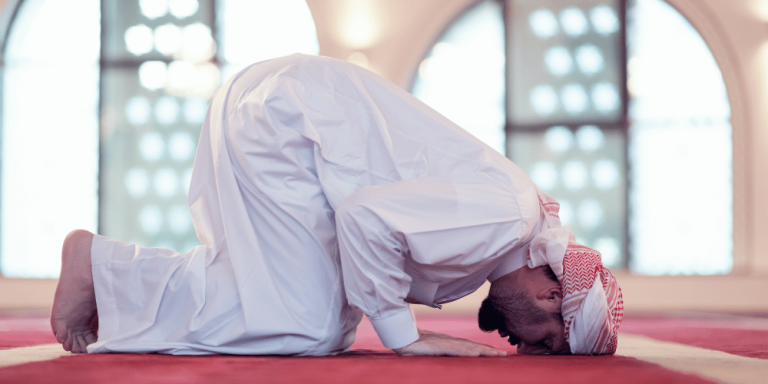
First Ashrah Dua Ramadan – A Guide to the First 10 Days of Mercy
Ramadan begins with mercy. The first ten days of this blessed month are widely known as the days of Rahmah — a time when Allah opens the doors of His compassion and invites His servants to return to Him with sincerity and humility.
At the start of Ramadan, many Muslims search for the First Ashrah Dua because they want clarity, authenticity, and a deeper connection with Allah. But Ramadan becomes truly meaningful when we understand what we are reciting, why we are reciting it, and how we should live during these special days. That understanding turns routine worship into real spiritual progress.
The month continues with a season of forgiveness – see Second Ashrah Dua Ramadan – Days of Forgiveness.
For more ways to bring this mercy into daily life, read 10 Ways to Teach Kids About the Mercy of Ramadan.
For simple stories that explain this theme to children, see What is Ramadan Mercy – Simple Stories for Kids.
The First Ashrah Dua
The most commonly recited supplication during the first ten days is:
رَّبِّ اغْفِرْ وَارْحَمْ وَأَنْتَ خَيْرُ الرَّاحِمِينَ
Rabbighfir warham wa anta khairur raheemeen
Meaning:
“My Lord, forgive me and have mercy upon me. You are the Best of those who show mercy.”
(Surah Al-Mu’minoon 23:118)
There is no specific obligatory dua that must be recited only during the first ten days. However, scholars encourage believers to focus on supplications that ask for Allah’s mercy, since the beginning of Ramadan is associated with spiritual softness and divine compassion.
Why the First Ten Days Are Called the Days of Mercy
A well-known narration mentions that Ramadan begins with mercy, continues with forgiveness, and ends with freedom from the hell Fire. While scholars have discussed the strength of this narration, its meaning is supported by authentic teachings that describe Ramadan as a gradual journey of purification.
Allah says in the Quran:
“My Mercy encompasses all things.”
- Quran 7:156
He also says:
“Fasting has been prescribed upon you so that you may attain Taqwa.”
(Quran 2:183)
When a believer grows in Taqwa (God-consciousness), Allah’s mercy naturally fills the heart.
What the Prophet ﷺ Taught About Ramadan
The Messenger of Allah ﷺ said:
“Whoever fasts Ramadan with faith and seeking reward, his previous sins will be forgiven.”
- (Bukhari and Muslim)
The Messenger of Allah ﷺ said:
Ibn Abbas (RA) reported that the Prophet ﷺ was the most generous of people, and he was even more generous during Ramadan (Bukhari). This reminds us that Ramadan is not only about staying away from food and drink, but also about increasing kindness, generosity, and good character.

How to Make the Most of the First Ten Days
1. Make Mercy-Focused Dua Daily
Recite the First Ashrah Dua regularly, especially after your prayers. Reflect on its meaning and sincerely ask Allah for forgiveness and mercy.
2. Increase Your Quran Recitation
Ramadan is the month in which the Quran was revealed (Quran 2:185). Even reading a few pages after each prayer can help you complete a full recitation by the end of the month.
3. Improve the Quality of Your Salah
Pray with humility and concentration. Slow down your recitation and be mindful of what you are saying. If you need a Quran teacher for yourself or your child to learn Quran online from home, Qari For Kids offer Online Quran classes with Tajweed, Tafseer and recitation.
4. Give Charity and Show Kindness
The Prophet ﷺ emphasized feeding fasting people and caring for the needy. Look for simple ways to help others during these blessed days. You can give this charity the charity to your siblings, relatives, neighborhoods well expect the parents.
5. Work on Your Character
Control your anger, avoid gossip, and guard your speech. The Prophet ﷺ warned that Allah has no need of a person’s hunger if they do not leave false speech (Bukhari).
Physical Fasting vs. Spiritual Fasting
Physical fasting is abstaining from food and drink. Spiritual fasting goes deeper. It disciplines the ego, purifies the heart, and changes behavior.
The goal of the first ten days is not just to feel hunger — it is to allow Allah’s mercy to transform us from within.
A Brief Fiqh Clarification
There is no authentic evidence that sets a specific number of times the First Ashrah Dua must be recited. In Islamic law, acts of worship that require fixed wording or specific numbers must be supported by clear proof.
General supplication, however, is flexible. A believer may ask Allah for mercy in any sincere way.
Conclusion
The first ten days of Ramadan are a chance to reset the heart and renew our intentions. They are days of mercy, gentleness, and spiritual opportunity.
If we begin Ramadan sincerely, the rest of the month becomes easier and more meaningful. May Allah grant us true Rahmah in these blessed days and allow us to experience Ramadan as a month of lasting change. Ameen!
Give Your Child the Gift of the Quran This Ramadan
Start Online Quran Classes at Qari For Kids
1-on-1 certified tutors. Flexible scheduling around Ramadan hours. Free trial for families in USA, UK, Canada & Australia.
Give Your Child the Gift of the Quran This Ramadan
Start Online Quran Classes at Qari For Kids
1-on-1 certified tutors. Flexible scheduling around Ramadan hours. Free trial for families in USA, UK, Canada & Australia.
Featured Blogs
- Quran recitation for peace - A simple guide to calm the heart
- 10 Ways to teach kids about the mercy of ramadan
- What is Ramadan Mercy-Simple Stories for Kids
- The Path to Hifz – Quran Memorization Techniques and Rewards
- Seeking Forgiveness in Second Ashrah – Days of Maghfirah
- Second Ashrah Dua Ramadan – Days of Forgiveness
AUTHORED BY
Qari For Kids Editorial Team
Certified Quran & Arabic Educators
Our team of Ijazah-certified Qaris brings together over a decade of teaching Quran to children and adults across the USA, UK, Canada, and Australia.
- Ijazah-certified tutors
- 10,000+ students taught
- Reviewed by Islamic scholars
- Ijazah-certified tutors
Main Courses
Follow Us On:
Frequently Asked Questions
Is there one fixed authentic First Ashrah Dua?
No specific dua is obligatory, but the supplication from Surah Al-Mu’minoon (23:118) is widely recommended.
Are the three Ashras authentic?
Scholars have different opinions regarding the chain of narration, but the overall meaning aligns with authentic teachings about Ramadan.
Can I make other duas (supplications) during the first ten days?
Yes. Any dua asking for mercy, forgiveness, guidance, and protection is appropriate.
What is the main focus of the first Ashrah?
The main focus is seeking Allah’s mercy and preparing the heart for deeper forgiveness and transformation.
Explore Other Blogs
In this article, we will look closely at each pillar, explain what it means, share their Arabic names, and highlight guidance from the…

What Is Islam? The word “Islam†comes from the Arabic root S-L-M, which signifies peace, submission, and safety…
Written & Reviewed by Mufti Habib Ahmed Mufti Habib Ahmed is a Dars‑e‑Nizami graduate from Jamia Farooqia Karachi…