
The 5 Pillars of Islam
Added by : QFK Editorial Team
Published On : March 10, 2026
Islamic Date : Sha'ban 28, 1446
Last Updated : March 24, 2026
Added by : QFK Editorial Team
Published On : March 10, 2026
Islamic Date : Sha'ban 28, 1446
Last Updated : March 24, 2026
The 5 Pillars of Islam: Faith in Practice and Daily Guidance
Islam is more than a set of beliefs. It is a complete way of life that shapes how Muslims think, act, and interact with the world. At the heart of this faith are the 5 pillars of Islam, the essential practices that guide devotion to ALLAH (SWT) and influence everyday life. These five pillars are acts that strengthen faith, encourage gratitude, and promote spiritual growth.
In this article, we will look closely at each pillar, explain what it means, share their Arabic names, and highlight guidance from the Qur’an and Ahadiths.
What Are the 5 Pillars of Islam?
The 5 pillars of Islam consist of:
- Shahada (Declaration of Faith)
- Salah (Prayer)
- Zakat (Charity)
- Sawm (Fasting)
- Hajj (Pilgrimage)
Narrated Ibn 'Umar:
ALLAH’s Messenger (ﷺ) said: Islam is based on (the following) five (principles):
- To testify that none has the right to be worshipped but ALLAH and Muhammad is ALLAH's Messenger (ﷺ).
- To offer the (compulsory congregational) prayers dutifully and perfectly.
- To pay Zakat (i.e. obligatory charity).
- To perform Hajj (i.e. Pilgrimage to Mecca).
- To observe fast during the month of Ramadan.
- Sahih al-Bukhari 8
These pillars provide structure to a Muslim’s life and connect spiritual beliefs with daily practices. Learning about them helps you understand Islam, internalize their faith, and act upon it consistently.
Let’s explore each pillar in depth!
1. Shahada – The Declaration of Faith
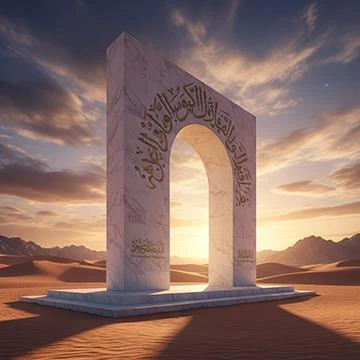
Shahada: أشهد أن لا إله إلا الله وأشهد أن محمدًا رسول الله
The Shahada is the testimony of faith, expressing the oneness of ALLAH and acknowledging Prophet Muhammad (ﷺ) as His messenger. It is the first pillar and the foundation of Islamic belief.
What Does the First Pillar of Islam Mean?
The first pillar of Islam emphasizes monotheism, known as Tawhid, and submission to ALLAH. It is recited during conversion to Islam, daily prayers, and critical moments of life. The Qur’an states:
"ALLAH witnesses that there is no deity except Him, and [so do] the angels and those of knowledge – [that He is] maintaining [creation] in justice. There is no deity except Him, the Exalted in Might, the Wise."
- Surah Al-Imran (3:18)
2. Salah – Prayer
Salah is the second pillar, representing a direct connection between a believer and ALLAH.
Where and How Often Do Muslims Pray?
Muslims pray 5 times daily:
- Fajr: Dawn
- Dhuhr: After midday
- Asr: Afternoon
- Maghrib: Just after sunset
- Isha: Night
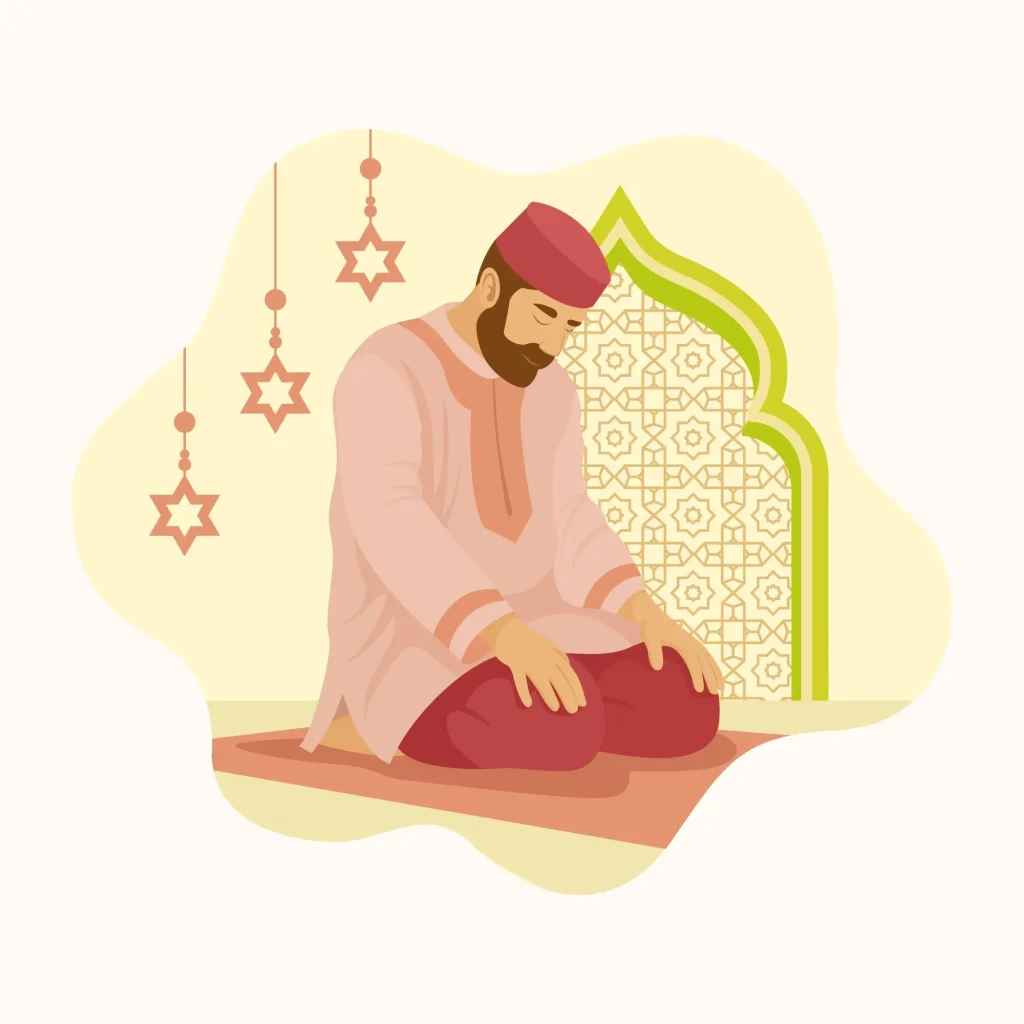
Salah can be performed in mosques, at home, or anywhere clean. It combines movements with Qur’an recitation and dhikr.
What Does the Second Pillar of Islam Mean?
The second pillar emphasizes discipline, remembrance of ALLAH, and spiritual purification. It serves as a reminder of the believer’s duties and accountability.
The Qur’an instructs:
Establish prayer at the decline of the sun until the darkness of the night and the Qur’an at dawn. Indeed, the recitation of the Qur’an at dawn is ever witnessed.
- Surah Al-Isra (17:78)
The Hadith adds:
It was narrated from Tamim Dari that the Prophet (ﷺ) said:
The first thing for which a person will be brought to account on the Day of Resurrection will be his prayer. If it is complete, then the voluntary (prayers) will also be recorded for him. If it is not complete then ALLAH will say to His angels: ‘Look and see whether you find any voluntary prayers for My slave, and take them to make up what is lacking from his obligatory prayers.’ Then all his deeds will be reckoned in like manner.
- Sunan Ibn Majah 1426
Through Salah, Muslims maintain a rhythm of devotion and mindfulness of ALLAH throughout the day.
3. Zakat – Charity
Zakat is the third pillar and involves giving a fixed portion of wealth to those in need.
What Does the Third Pillar of Islam Mean?
The third pillar teaches generosity, social responsibility, and compassion. By giving 2.5% of accumulated wealth annually, Muslims purify their earnings and support the less fortunate.
The Qur’an says:
Take, [O Muhammad], from their wealth a charity by which you purify them and cause them increase, and invoke [ALLAH's blessings] upon them. Indeed, your invocations are reassurance for them. And ALLAH is Hearing and Knowing.
- Surah At-Tawbah (9:103)

Narrated Abu Huraira:
ALLAH's Messenger (ﷺ) said, "Whoever is made wealthy by ALLAH and does not pay the Zakat of his wealth, then on the Day of Resurrection his wealth will be made like a baldheaded poisonous male snake with two black spots over the eyes. The snake will encircle his neck and bite his cheeks and say, 'I am your wealth, I am your treasure.'"
- Sahih al-Bukhari 1403
Zakat is both an act of worship and a means of societal balance, ensuring resources are shared and communities strengthened.
4. Sawm – Fasting
Fasting during Ramadan is the fourth pillar of Islam.
What Does the Fourth Pillar of Islam Mean?
Sawm involves abstaining from food, drink, smoking, and marital relations from dawn to sunset during Ramadan. It cultivates self-discipline, empathy for the needy, and spiritual awareness.
The Qur’an commands:
O you who have believed, decreed upon you is fasting as it was decreed upon those before you, that you may become righteous.
- Surah Al-Baqarah (2:183)

Narrated Abu Huraira:
ALLAH's Messenger (ﷺ) said, "Whoever observes fasts during the month of Ramadan out of sincere faith, and hoping to attain ALLAH's rewards, then all his past sins will be forgiven."
- Sahih al-Bukhari 38
Fasting strengthens moral character, encourages reflection, and connects Muslims to the global community observing Ramadan.
5. Hajj – Pilgrimage
Hajj is the fifth pillar and a once-in-a-lifetime obligation for those physically and financially capable.
What Does the Fifth Pillar of Islam Mean?
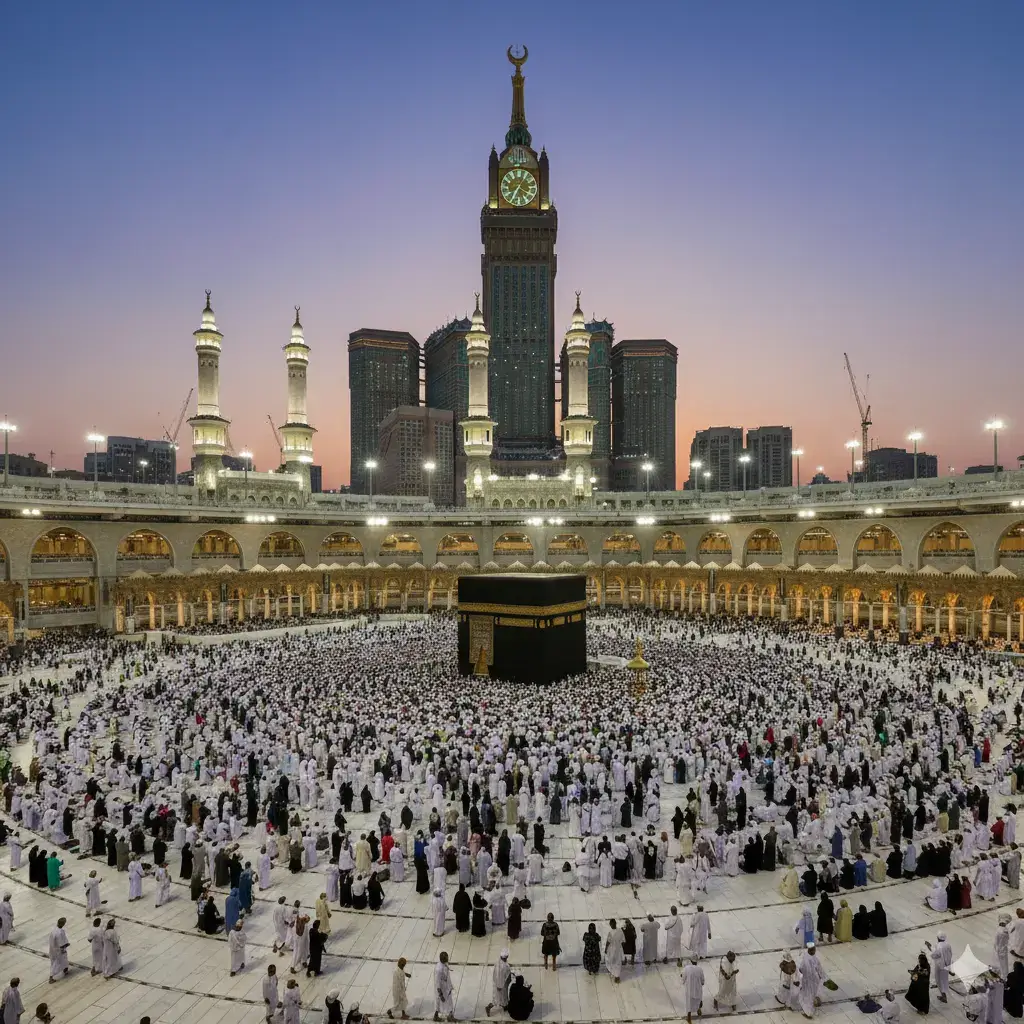
Hajj is a pilgrimage to Mecca during Dhu al-Hijjah. It involves rituals that commemorate the acts of Prophet Abraham (PBUH) and his family, reflecting submission, humility, and unity among Muslims.
The Qur’an mentions:
In it are clear signs [such as] the standing place of Abraham. And whoever enters it shall be safe. And [due] to ALLAH from the people is a pilgrimage to the House – for whoever is able to find thereto a way. But whoever disbelieves – then indeed, ALLAH is free from need of the worlds.
- Surah Al-Imran (3:97)
Narrated Abu Huraira:
The Prophet (ﷺ) said, "Whoever performs Hajj for ALLAH's pleasure and does not have sexual relations with his wife, and does not do evil or sins then he will return (after Hajj free from all sins) as if he were born anew."
- Sahih al-Bukhari 1521
Hajj strengthens communal bonds and provides a profound spiritual experience.
The Pillars of Islam and Iman
The pillars of Islam and Iman are complementary. While the five pillars represent outward actions, Iman reflects inner belief in ALLAH, angels, prophets, divine books, the Day of Judgment, and Qadar (divine decree). Together, they form a complete framework of faith and practice.
By practicing the 5 pillars, Muslims translate Iman into meaningful action, reinforcing spiritual and ethical growth.
Summary Table of the 5 Pillars
| Sr. No. | Pillar | Arabic | Meaning |
|---|---|---|---|
| 1 | Shahada | الشهادة | Declaration of faith in ALLAH and Muhammad (ﷺ) |
| 2 | Salah | الصلاة | Five daily prayers |
| 3 | Zakat | الزكاة | Almsgiving to purify wealth |
| 4 | Sawm | الصوم | Fasting during Ramadan |
| 5 | Hajj | الحج | Pilgrimage to Mecca |
The 5 pillars of Islam are interconnected, shaping behavior, ethics, and spirituality. They encourage:
- Consistency in worship through Salah and Shahada
- Generosity and compassion through Zakat
- Self-discipline and empathy through Sawm
- Unity and spiritual reflection through Hajj
These practices strengthen moral character, community bonds, and awareness of divine accountability.
Give Your Child the Gift of the Quran This Ramadan
Start Online Quran Classes at Qari For Kids
1-on-1 certified tutors. Flexible scheduling around Ramadan hours. Free trial for families in USA, UK, Canada & Australia.
Give Your Child the Gift of the Quran This Ramadan
Start Online Quran Classes at Qari For Kids
1-on-1 certified tutors. Flexible scheduling around Ramadan hours. Free trial for families in USA, UK, Canada & Australia.
Conclusion
From the Shahada’s affirmation of faith to Hajj’s demonstration of submission, each of these five pillars guides Muslims in cultivating devotion, compassion, and spiritual consciousness. By reflecting on the pillars, you can grow closer to ALLAH, foster stronger communities, and live a life aligned with the teachings of the Qur’an and Hadith.
Featured Blogs
- Quran recitation for peace - A simple guide to calm the heart
- 10 Ways to teach kids about the mercy of ramadan
- What is Ramadan Mercy-Simple Stories for Kids
- The Path to Hifz – Quran Memorization Techniques and Rewards
- Seeking Forgiveness in Second Ashrah – Days of Maghfirah
- Second Ashrah Dua Ramadan – Days of Forgiveness
AUTHORED BY
Qari For Kids Editorial Team
Certified Quran & Arabic Educators
Our team of Ijazah-certified Qaris brings together over a decade of teaching Quran to children and adults across the USA, UK, Canada, and Australia.
- Ijazah-certified tutors
- 10,000+ students taught
- Reviewed by Islamic scholars
- Ijazah-certified tutors
Main Courses
Follow Us On:
Frequently Asked Questions
What is Salat and what purpose does it serve?
Salat is the ritual prayer performed five times daily. It connects Muslims directly with ALLAH, promotes discipline, spiritual reflection, and mindfulness throughout the day.
Are the 5 pillars of Islam in the Qur’an?
Yes, the pillars are outlined in the Qur’an through various verses, emphasizing faith, prayer, charity, fasting, and pilgrimage as essential acts of worship.
How do the 5 pillars of Islam guide daily life?
They provide structure, connecting belief with action. Prayer ensures remembrance of ALLAH, charity (zakat) supports the community, fasting builds self-discipline, and Hajj strengthens faith and unity.
Can children learn and practice the 5 pillars effectively?
Yes, through consistent teaching, guidance, and age-appropriate learning platforms, children can understand and practice the pillars meaningfully from an early age.
Editorial Note: The views and guidance in this article are drawn from established Islamic scholarly tradition and are intended for general educational purposes. Individual circumstances vary — for specific fiqh questions about fasting for children or those with health conditions, please consult a qualified Islamic scholar. Qari For Kids is an educational platform and does not issue religious rulings.
Explore Other Blogs
In this article, we will look closely at each pillar, explain what it means, share their Arabic names, and highlight guidance from the…
What Is Islam? The word “Islam†comes from the Arabic root S-L-M, which signifies peace, submission, and safety…
Written & Reviewed by Mufti Habib Ahmed Mufti Habib Ahmed is a Dars‑e‑Nizami graduate from Jamia Farooqia Karachi…